Understanding Misandry & Gender Bias Against Men in India
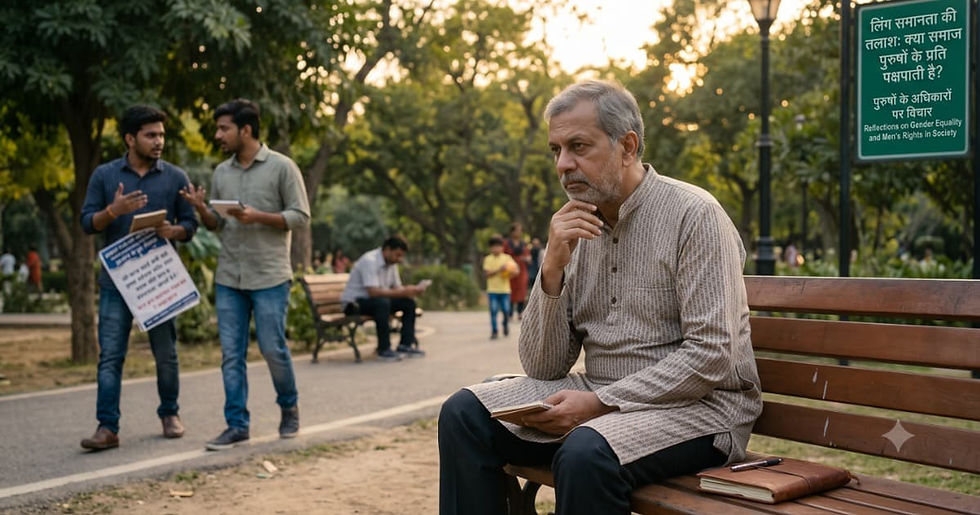
What Is Gender Bias Against Men?
Gender bias against men refers to unfair treatment or assumptions based on their gender. While society often focuses on women's struggles, men also experience discrimination that affects their rights, opportunities, and well-being. This bias can be subtle or overt and appears in social attitudes, media portrayals, workplace policies, and legal frameworks.
In India, traditional gender roles expect men to be providers and protectors, but these expectations also limit men's emotional expression and access to support. When men face difficulties, their problems are sometimes dismissed or minimised due to stereotypes about masculinity.
Understanding Misandry and Its Forms
Misandry is the dislike, contempt, or prejudice against men. It can appear in different ways:
Media Representation: Men are often portrayed as aggressive, insensitive, or irresponsible in films, television, and advertisements. These stereotypes reinforce negative perceptions and ignore the diversity of men's experiences.
Workplace Bias: Some men face discrimination in sectors traditionally dominated by women, such as nursing or teaching. They may also encounter assumptions that they are less nurturing or less capable of caregiving roles.
Legal Challenges: Certain laws and legal practices in India disadvantage men, especially in family law matters like divorce, child custody, and domestic violence cases.
Misandry does not mean that men face the same level of systemic discrimination as women, but it highlights areas where men’s issues are overlooked or unfairly treated.
Legal Challenges Men Face in India
The Indian legal system includes laws designed to protect women. However, almost all of these laws are misused or applied in ways that create challenges for men:
Domestic Violence Laws: The Protection of Women from Domestic Violence Act (PWDVA) offers crucial protection for women but does not provide any protection for men facing domestic abuse. Men who report abuse often struggle to get legal recognition or support.
False Allegations: There have been numerous cases where men face false accusations of crimes like dowry harassment or sexual assault. These allegations lead to arrest, social stigma, and long legal battles, even when unproven.
Child Custody: Courts often favour mothers in custody disputes, assuming women are better caregivers. This bias deprives fathers of meaningful relationships with their children.
Example
A 2019 study by the Indian Journal of Social Psychiatry found that men who reported domestic abuse faced significant barriers in accessing help, with many cases going unreported due to fear of stigma or disbelief.
Gender Bias in the Workplace
Men also encounter bias in professional settings, especially in roles traditionally seen as feminine:
Hiring and Promotion: Men applying for jobs in caregiving, education, or nursing may face skepticism or discrimination. Employers sometimes assume men are less empathetic or less suited for these roles.
Parental Leave: Maternity leave policies are well-established, but paternity leave remains limited or socially discouraged. This imbalance reinforces the idea that childcare is primarily a woman’s responsibility.
Mental Health Stigma: Men often avoid seeking help for mental health issues due to societal expectations to be strong and unemotional, which can affect their productivity and well-being at work.
Media’s Role in Shaping Perceptions
Media plays a powerful role in shaping public attitudes toward gender. In India, men are frequently depicted in ways that reinforce stereotypes:
Aggressive or Violent: Men are often shown as violent or domineering, which can fuel negative biases.
Emotionally Unavailable: Media rarely portrays men expressing vulnerability or emotional depth.
Comic Relief: Men are sometimes used as the butt of jokes, reinforcing ideas that they are less competent or serious.
These portrayals contribute to a culture where men’s struggles are trivialised or ignored.
Statistics Highlighting Misandry & Gender Bias Against Men
According to the National Crime Records Bureau (NCRB) reports, men constitute over 70% of suicide victims in India, indicating high levels of mental health distress.
A survey by the Indian Journal of Psychiatry found that 40% of men experiencing domestic violence do not seek help due to fear of social stigma.
Studies show that men receive only about 10% of custody rights in contested child custody cases, reflecting legal bias.
These numbers reveal the urgent need to address gender bias against men alongside ongoing efforts to support women.
Seeking Support and Resources
Men facing gender bias or related challenges should know they are not alone. Support networks and helplines provide confidential assistance and guidance:

Daaman's Helpline for Men: Call 8882498498 for counselling, legal advice, and emotional support.
Mental Health Services: Many NGOs and mental health professionals offer services tailored for men.
Legal Aid: All the NGOs working under the aegis of the Save Indian Family Movement provide legal counselling for men dealing with false accusations or custody issues.
Reaching out for help is a sign of strength, not weakness.
Moving Toward Gender Equality for All
True gender equality means recognising and addressing the challenges faced by everyone, regardless of gender. This includes:
Reforming laws to protect all victims of domestic violence.
Promoting fair custody laws that prioritise the best interests of children.
Encouraging media to portray men in diverse and realistic ways.
Supporting men’s mental health and emotional well-being.
By acknowledging gender bias against men, society can build a more inclusive environment where all individuals receive respect and support.


Comments